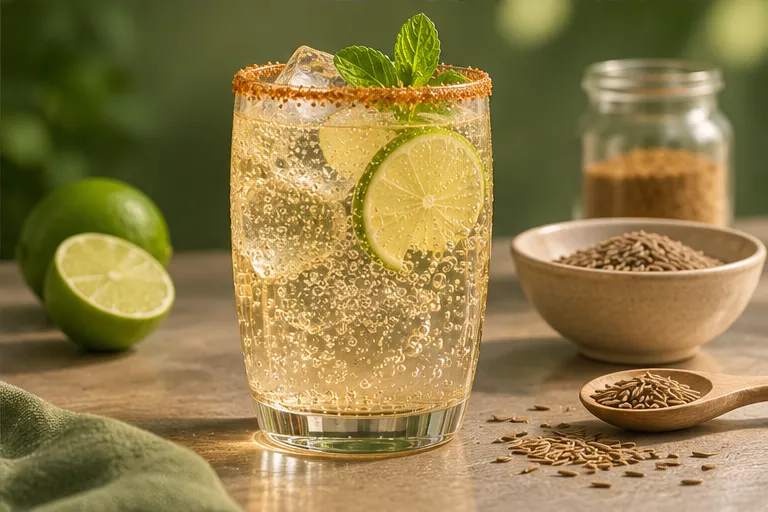
A memorable masala soda starts with a clear sensory idea. Some customers want a cumin-forward drink with a savoury finish. Others expect a brighter citrus profile in which spice sits in the background. Decide what the first sip and the finish should feel like before asking for samples.
Turn the flavour idea into useful feedback
Use references to describe aroma, sourness, sweetness, saltiness and the intensity of spice. Decide whether visible spice particles are part of the experience or whether the drink should pour clear. Compare samples at the serving temperature you expect customers to use, then keep feedback by version.
Plan how the drink will be packed
Tell the recipe team if you want glass, PET or a can and what carbonation experience you expect. Discuss the intended format with production partners while the samples are being refined. That gives the team time to address questions about the filling line, closure, appearance and distribution.
Test the commercial version
Evaluate the approved flavour in the intended packaging and discuss a suitable shelf-life plan. If the drink goes through multiple trials, record what changed between batches so you can relate the finished result to the development decisions.
Masala soda tasting scorecard
| Attribute | Suggested tasting prompt |
|---|---|
| Aroma | Which note do you notice first? |
| Acidity and sweetness | Score the balance from 1 (too sharp) to 5 (too sweet), with 3 as balanced. |
| Spice intensity | Score from 1 (barely noticeable) to 5 (too prominent). |
| Finish and appearance | Record lingering spice, visible sediment or a change in fizz after pouring. |
Example sensory scorecard. Use the same serving setup for side-by-side comparisons.
What to send BCS
Bring a flavour reference, target price, pack size and route to market. State whether you need recipe development alone or want help finding a co-packer too.