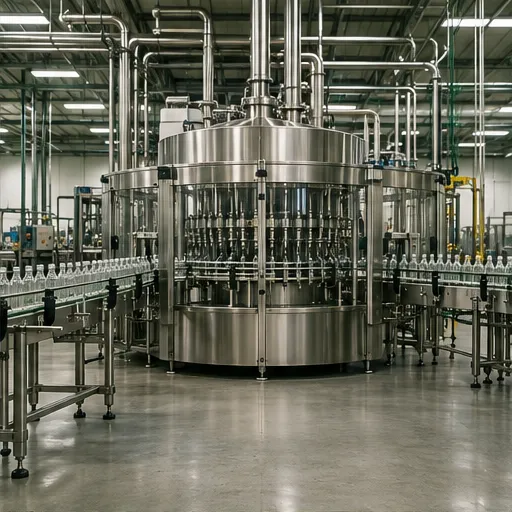
Contract manufacturing and plant ownership solve different problems. A co-packer gives you access to production capacity that already exists. An owned plant gives you more control over the production schedule and the equipment, while adding responsibility for keeping that capacity running.
Compare the cost of capacity you will actually use
Model conservative, expected and higher sales volumes. For an owned plant, include staff, utilities, maintenance and quality checks as well as installation. For a co-packer, include minimum orders, setup fees, inventory and transport. Compare cash outlay as well as the per-unit cost.
Evaluate what you need to control
Make a list of decisions that need tight oversight, such as flavour consistency, changeovers, pilot trials or production dates. Ask potential partners which of those decisions you can influence and how much notice they require. If you are considering your own plant, test whether the planned team can realistically cover those responsibilities.
Keep the next decision reversible
Estimate when demand could justify more dedicated capacity. Early contract production may help you learn which formats sell and what the line needs to handle. If you already own equipment, check whether adapting it would meet the actual pack and output requirements before committing to a larger upgrade.
Compare capacity with sales
| Illustrative scenario | Implication |
|---|---|
| Planned line capacity | 60,000 units per month |
| Conservative sales forecast | 15,000 units per month |
| Capacity used at that volume | 25% before downtime or changeovers |
| Next comparison | Compare fixed costs at 25% use with co-packer minimums, stockholding and freight. |
Illustrative utilisation only. Build separate scenarios for expected and higher demand before comparing quotes.
What to send BCS
Bring your product range, production forecast, intended packaging and investment range. BCS can help compare a manufacturing tie-up with a new or existing facility.